
One Source of Operational Clarity
A Practical Guide for How Your Brand Runs Great Stores.
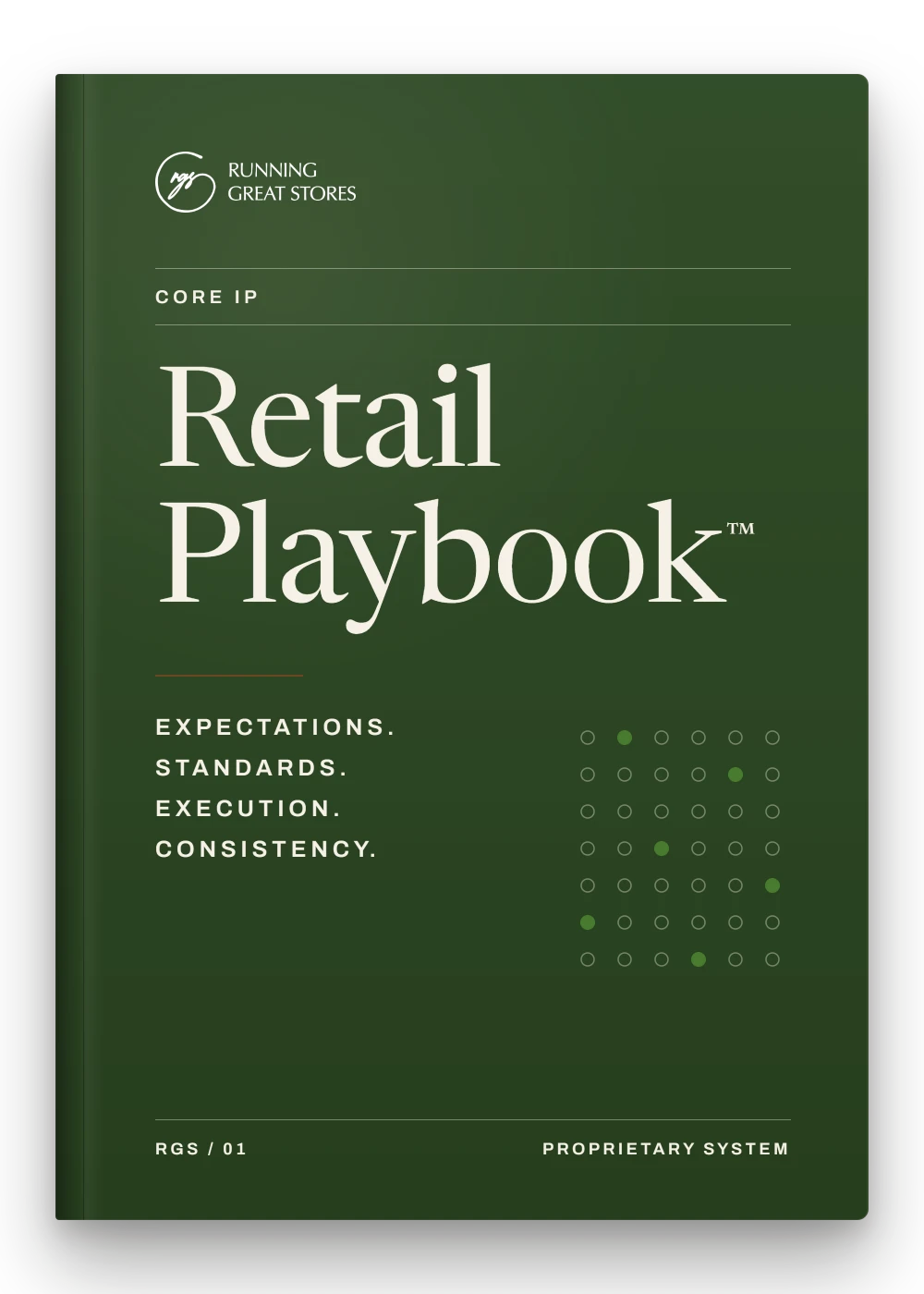
A Retail Playbook™ is more than a collection of policies or an updated operations binder. It brings together the standards, expectations, tools, and operating practices store teams need to understand how the business should run.
It can link directly to the tools and systems the brand already uses, so it doesn’t feel like another tool. Corporate partners, HR especially, use it to understand how stores work. And if the organization doesn’t have written policies yet, RGS recommends categories and policies as a starting point.
For a growing retailer, that can create greater clarity across locations while making it easier to:
- Onboard new leaders
- Reinforce operating standards
- Create more consistent execution
- Clarify roles and expectations
- Strengthen the customer experience
- Support Store Managers and District Managers
- Scale operating practices across locations
- Protect what makes the brand distinctive as the organization grows
Documentation Isn’t the Same as Usability
Your Stores Don’t Need More Information. They Need a Better Way to Use It.
Many retail organizations already have plenty of documentation. The problem is often what happens after it’s created.
- Is it easy to find?
- Is it current?
- Does it reflect how the business actually operates today?
- Can a new Store Manager understand it?
- Can a District Manager use it to reinforce expectations?
- Do store teams know which version is correct?
- Does it make execution simpler or add another layer of complexity?
The value isn’t simply having the information. It’s making the information usable.
The RGS Playbook Principle
From Expectation to Execution
Expectations
What does the organization expect? What does great look like?
Standards
How are those expectations translated into clear operating practices?
Execution
Can Store Managers and teams consistently put those practices into action?
Consistency
Can the organization repeat strong execution across stores, leaders and periods of growth?
This is the role of the Retail Playbook™. It helps close the distance between what leadership intends and what actually happens in stores.
The Operating Model
What Can a Retail Playbook™ Help Clarify?
The exact Playbook should reflect the retailer, its brand and its stage of growth. Depending on the organization, areas of operational clarity may include:
- Store Standards
- What does strong store execution look like across locations?
- Leadership Expectations
- What are Store Managers and field leaders responsible for owning?
- Operating Routines
- What needs to happen daily, weekly, monthly or at key moments in the retail calendar?
- Customer Experience
- What should customers consistently experience regardless of location?
- Roles & Accountability
- Who owns what, and how are expectations reinforced?
- Tools & Resources
- What practical resources do leaders need to run the business effectively?
- New Leader Onboarding
- How can incoming Store Managers and leaders understand how the organization operates without learning everything through tribal knowledge?
- Field Reinforcement
- How can District Managers reinforce the operating model rather than recreating expectations from district to district?
Standardize What Matters
Consistency Should Protect the Brand, Not Flatten It.
A Playbook shouldn’t turn stores into robots. The goal is not identical stores regardless of market, team or customer. The goal is enough operating clarity that leaders understand what is non-negotiable, where judgment is expected, what great execution looks like, and how the brand should come to life in the store.
Practical by Design
If Store Teams Can’t Use It, It Isn’t Finished.
The Retail Playbook™ is designed to be practical. Not theoretical. Not written exclusively for corporate teams. And not so complicated that the people responsible for executing it avoid opening it. A useful Playbook should help the organization operate more clearly, not create another administrative burden.
Not a Generic Template
Your Operating System Should Look Like Your Business.
The Retail Playbook™ is rooted in practical retail operating experience and then adapted to the retailer. Rachel has opened, operated, optimized and scaled stores over more than 30 years inside retail leadership and store operations. The Playbook isn’t intended to impose somebody else’s business model onto yours. It should capture and strengthen your brand, your operating expectations and the way your organization needs stores to perform.
Talk About Your Retail Playbook™
When It Becomes Valuable
Who Is the Retail Playbook™ For?
The Playbook becomes more important as complexity grows.
- Growing Multi-Location Retailers
- The business is adding locations faster than its informal operating practices can scale.
- DTC Brands Moving Into Brick-and-Mortar
- The brand understands its customer and product but needs a stronger physical-store operating model.
- Retailers Opening New Stores
- Each opening needs to reinforce an established operating model rather than reinvent one.
- Organizations With Inconsistent Store Execution
- Different locations have developed different interpretations of how things should work.
- Retailers With Outdated Operating Documentation
- The organization has policies, binders or files, but teams struggle to find, trust or use them.
- Organizations Developing New Store Leaders
- New Store Managers need a clearer path to understanding how the business operates.
- Established Retailers Preparing for the Next Stage of Growth
- The operating model needs to become more scalable without adding unnecessary complexity.
More Than a Template
What Makes the RGS Retail Playbook™ Different?
- Practical
- Designed around what store leaders and teams actually need to operate.
- Customized
- Built around the brand, operating model and business rather than dropping a generic template into the organization.
- Built From Retail Experience
- Grounded in the realities of opening, leading, operating and scaling stores.
- Usable
- Designed so teams can find and apply what they need.
- Scalable
- Built to support greater clarity as the organization adds stores, leaders and complexity.
- Connected to Leadership
- Supports the Store Managers and District Managers responsible for turning expectations into execution.
From the Field
Retail Leaders on the Playbook
“The Retail Playbook has been a true game-changer for our stores. Looking back, it’s hard to imagine how we managed for so many years without this comprehensive ‘one-stop shop’ that outlines exactly how our stores should operate. It contains all the essential tools, along with every process and procedure we need. The best part? The team at Running Great Stores keeps it constantly updated, ensuring we’re always working with the latest information. No more outdated instructions or scrambling through emails for the last set of guidelines!”
“My managers and I went through the Retail Playbook™ and we were just blown away. It is so in-depth and step-by-step. I have a lot of retail experience but there were so many good reminders and things I never knew.”
From Diagnosis to Execution
How the Playbook Fits Into the RGS System
01
Store Performance Diagnostic
Understand what may be driving inconsistent performance.
02
Retail Advisory
Determine what leadership, operating or execution changes are needed.
03
Retail Playbook™
Codify the operating model, expectations and practices required for stronger execution.
04
Leadership & Field Performance
Help Store Managers, District Managers and field leaders reinforce the operating model.
05
More Consistent Execution
Create greater clarity and repeatability across the organization.
Common Questions About Retail Playbooks
Executive Questions
A retail operations playbook is a centralized guide to the standards, expectations, routines, tools and operating practices used to run stores. It helps turn organizational knowledge into a practical system that Store Managers, District Managers and teams can consistently understand and use.
As retailers grow, operating knowledge can become fragmented across people, locations, documents and systems. A Playbook creates a clearer source of truth, making it easier to onboard leaders, reinforce standards and scale operating practices without relying entirely on tribal knowledge.
The contents should reflect the retailer’s business model and operating needs. Common areas may include store standards, leadership expectations, operating routines, customer experience, roles and accountability, tools and resources, and other practices required to run stores effectively. The goal is not to include everything. It is to make the information teams actually need clear and usable.
An operations manual often focuses heavily on policies, procedures and documentation. A Retail Playbook™ can take a broader, more practical approach by connecting standards and procedures with leadership expectations, operating routines, tools and the behaviors required for consistent execution.
A Playbook creates a shared reference for what the organization expects and how stores should operate. That can reduce reliance on individual interpretation and make it easier for Store Managers and District Managers to reinforce common standards across locations.
Yes. The RGS Retail Playbook™ is intended to reflect the retailer’s brand, operating model and stage of growth rather than impose a generic operating system.
It can be particularly valuable. DTC brands moving into brick-and-mortar need to translate the brand into physical-store operations, leadership expectations, customer experience and repeatable store practices.
Build for the Next Store, Not Just This One
Make Great Store Execution Easier to Repeat.
Your best leaders already know a great deal about how your stores should operate. Your organization already has standards, expectations and practices that work.
The opportunity is turning that knowledge into an operating system the business can actually scale.
Tell us how your stores operate today and where consistency gets harder as you grow.